Read the site first
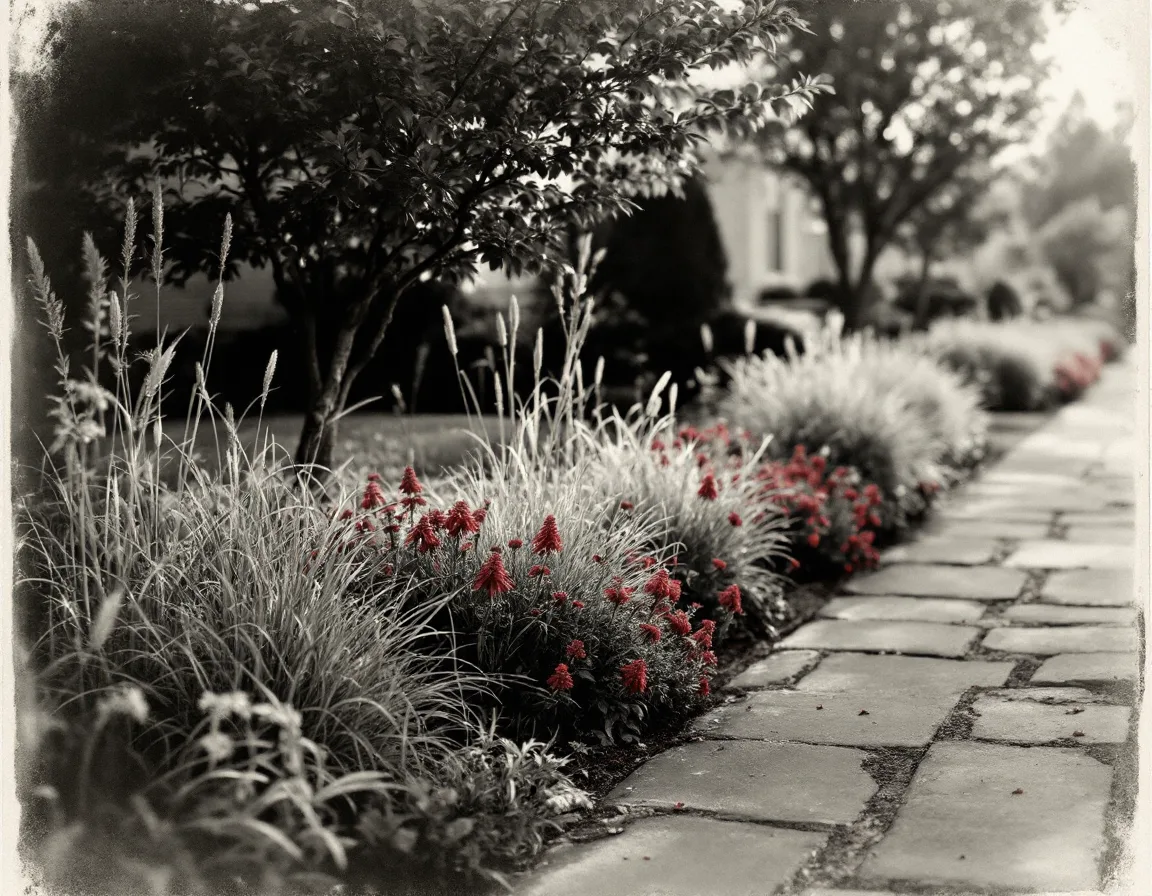
No plant goes on paper before we’ve logged sun hours, slope, soil and where the water pools after a storm. Pretty lists that ignore the dirt are how plants die in year one.
About the studio · Chappaqua, NY
Vale Quest is a small design studio on Wynnewood Road that does one thing: turn a yard you’ve been squinting at into a drawing set of native plants, with counts, spacing and a bloom month for every one.
Why we draw yards
The pattern is always the same. A homeowner spends a winter saving photos of meadows, fieldstone walls and bumblebees on coneflowers. Spring arrives. The lawn still looks like a lawn, because a mood board can’t tell a landscaper how many plants go where.
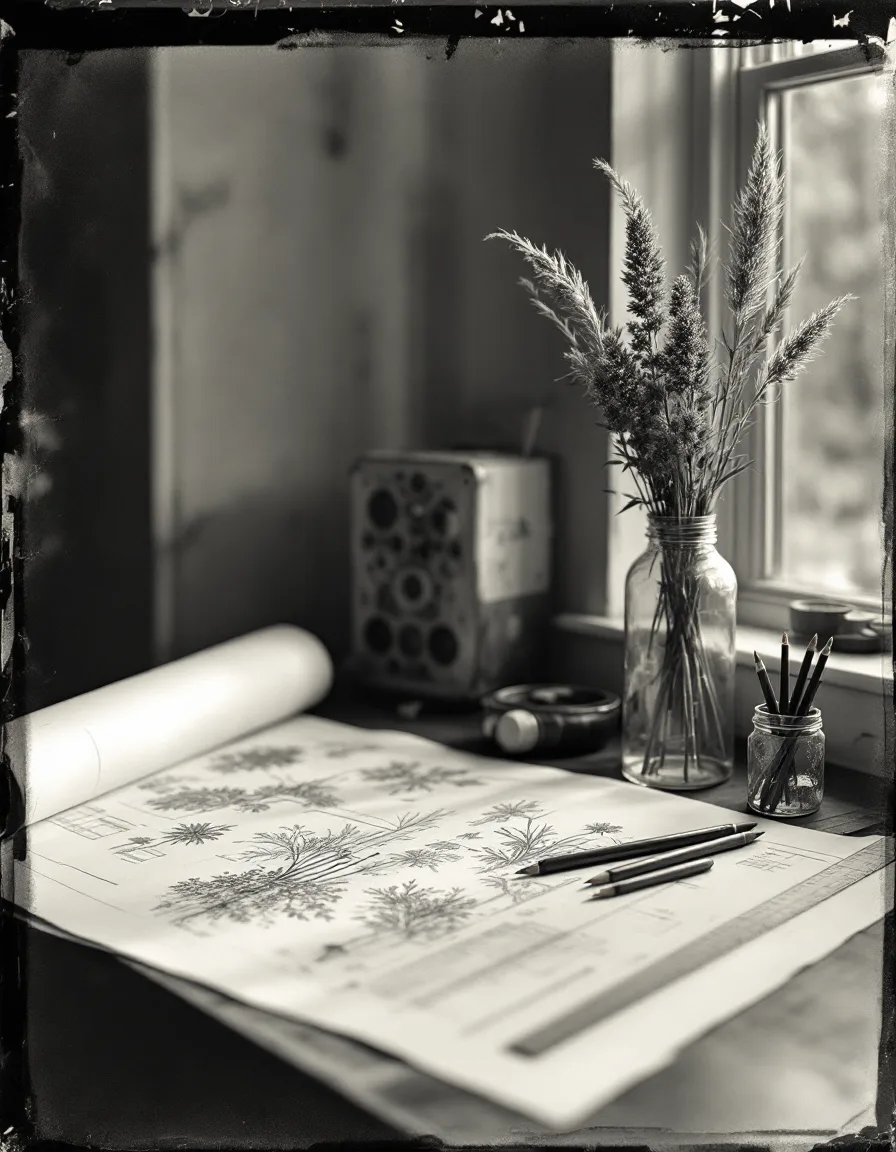
Vale Quest exists for that gap. We take the photos, the survey and the honest wishlist, read the site for sun, slope and water, and turn it into a scaled sheet a crew can price or a weekend gardener can plant from.
Native plants aren’t a trend we caught. They’re the only palette that works with local soil, local weather and local deer.
Every plant on our lists evolved in the Northeast, and every list is built around one test: is something in bloom, in seed or in structure on any given week from April to November? If the answer is no, we redraw it.
Because we’re a studio and not a nursery, we sell no plants and take no kickbacks from installers. The drawing is the product, and it’s billed as a package by invoice.
The struck-through list
A short list of garden-center favorites we cross out, with what goes in instead.
House rules
No plant goes on paper before we’ve logged sun hours, slope, soil and where the water pools after a storm. Pretty lists that ignore the dirt are how plants die in year one.
Every species on the schedule has a bloom or color month next to it, so you can see the whole season at a glance.
1″ = 8′ on most lots. If it’s not scaled, it’s a sketch, and we’ll tell you which one you’re paying for.
We don’t install, which means we have no reason to upsell you on a bigger planting. Hand the PDF set to one crew or three, or plant it yourself over a weekend.
The studio year
Jan – Mar
Frozen ground, empty calendar. The best time to commission a plan, so the drawings are done before the nurseries open.
Apr – Jun
Clients plant from last winter’s sheets. Our phones fill with “which one is the aster?” and we’re glad to answer.
Jul – Sep
Best time to see where the sun really falls. Send midday photos and we’ll read them for next spring.
Oct – Dec
Native shrubs and bulbs go in now. It’s also when a lot of first-time clients write in, as the leaves drop and the yard’s bones show.
Next step
Packages start at $685 and are billed by invoice. Email a few photos and we’ll tell you which depth of drawing fits your lot.